-By Erwan.W
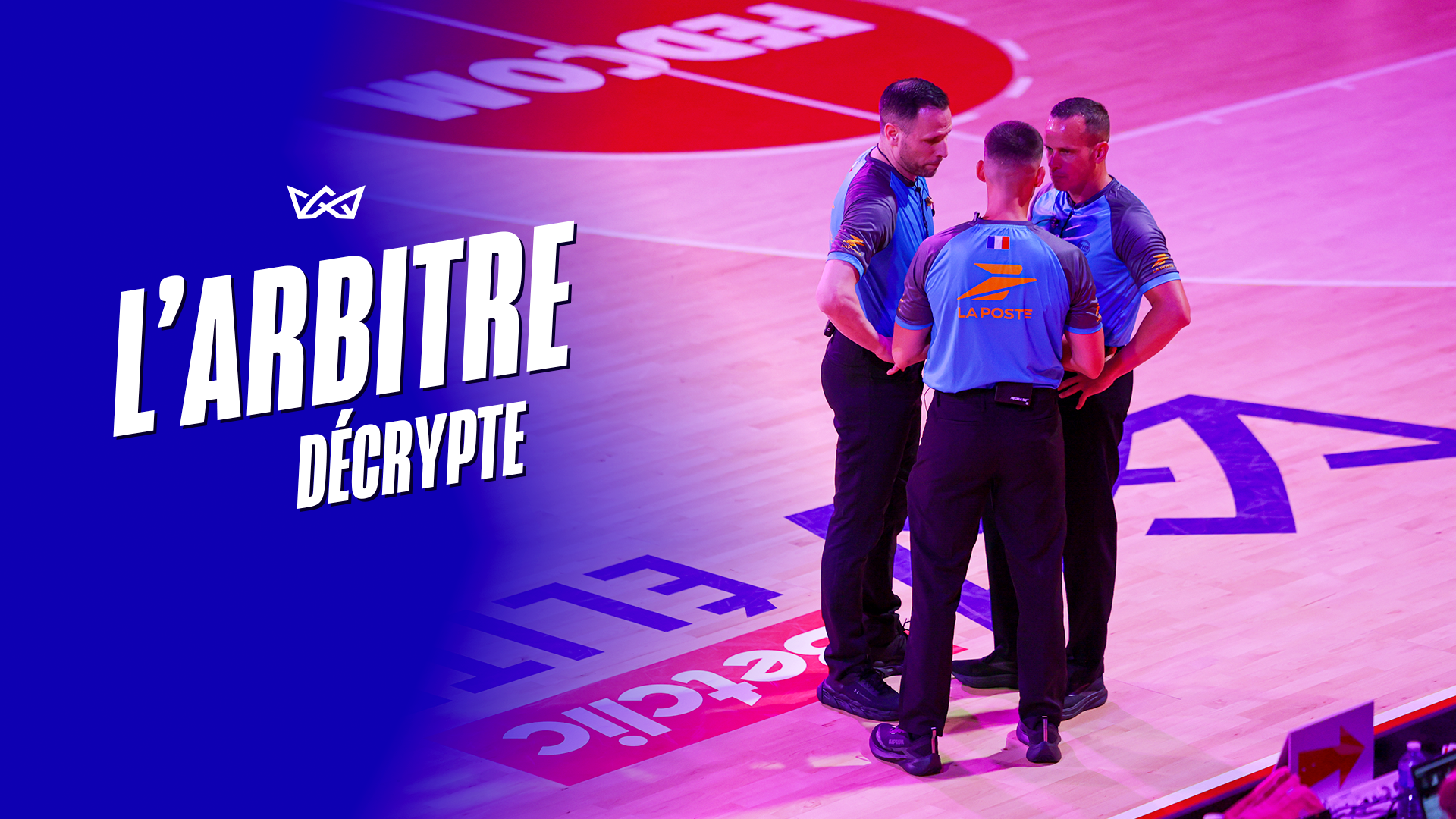
Suite de la collaboration entre la LNB et la Direction de l'Arbitrage de Haut-Niveau avec le format "L'arbitre décrypte" qui revient sur plusieurs coups de sifflets avec pédagogie et de nombreuses explications.
Description
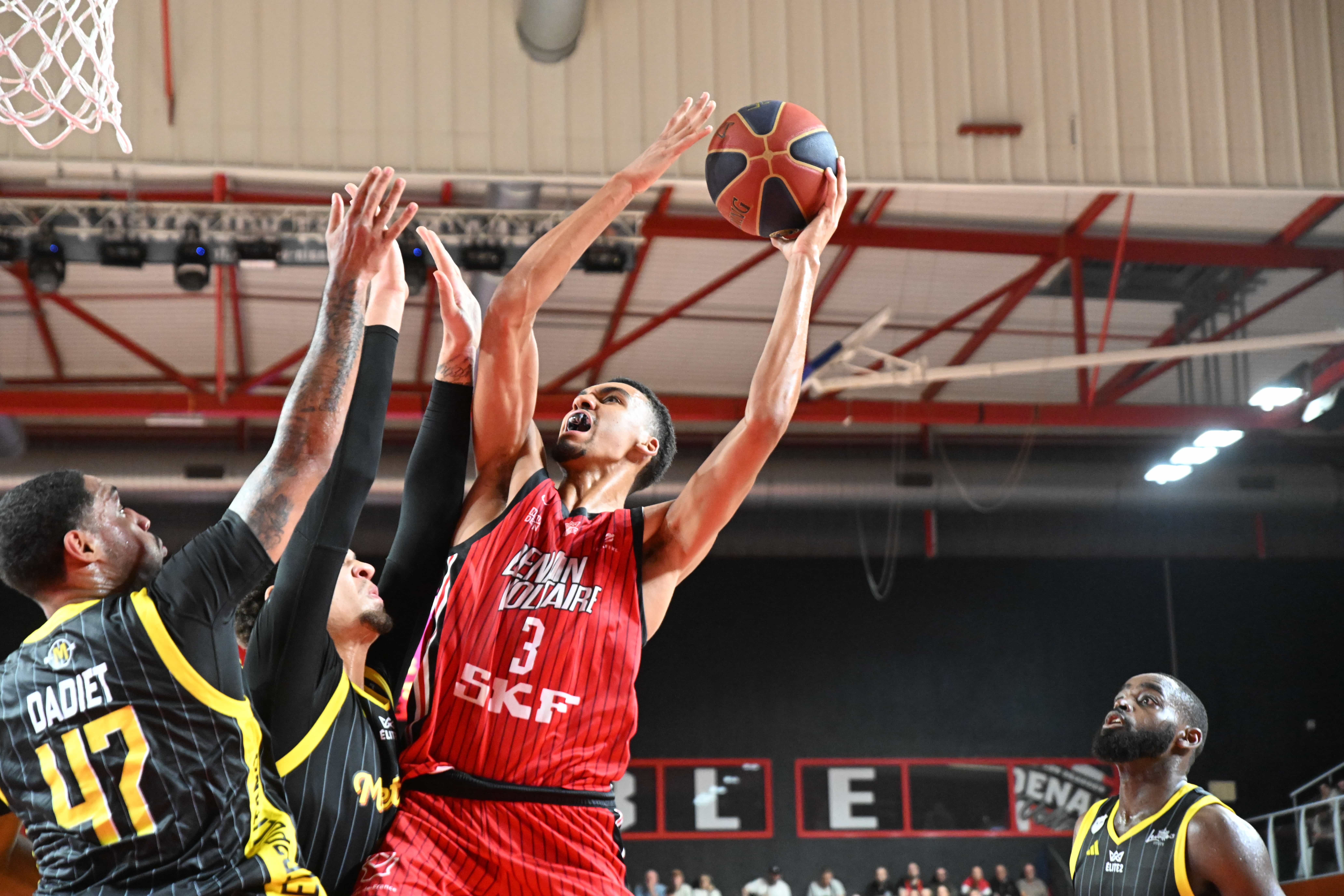
Le joueur n°23 de Cholet, C. Agbo, attaque le panier et se saisit du ballon dans l’intention de tirer. Alors qu’il amorce son mouvement ascendant vers le panier, le défenseur n°11 de l’ASVEL, E. Jackson, parvient à toucher le ballon. Sous l’effet de ce contact, le ballon échappe brièvement aux mains de l’attaquant. Toujours en suspension, C. Agbo récupère immédiatement le ballon avant de retomber au sol en sa possession.
Décision
Dès lors que le ballon quitte les mains de l’attaquant à la suite du contact du défenseur, celui-ci peut légalement reprendre le contrôle du ballon avant de retomber au sol. Les critères du marcher ne sont pas réunis dans cette situation. La décision de l'arbitre de ne pas interrompre le jeu est donc correcte.
Règlement
Article 25 : Marcher

Description
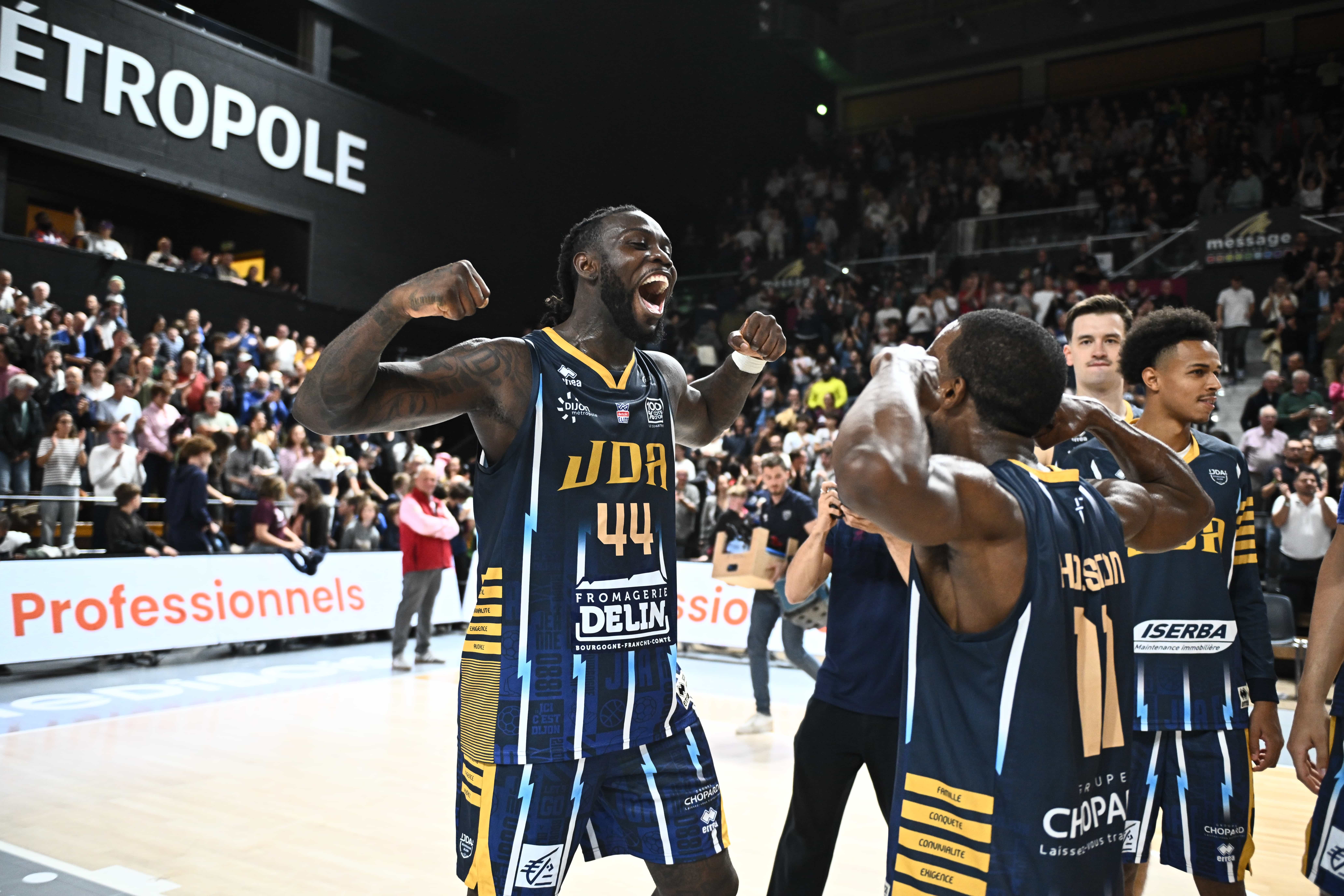
Le joueur n°44, T.J. Campbell, progresse en dribble dans l’axe du terrain. Son coéquipier, J. McNeace (n°8), vient alors poser un écran sur le défenseur. Toutefois, il ne s’immobilise pas suffisamment tôt et entre en contact avec ce dernier lors de la mise en place de l’écran.
Lorsqu’un écran est posé sur un adversaire en mouvement, le joueur qui pose l’écran doit lui laisser une distance et un temps suffisants pour pouvoir l’éviter. En pratique, cela correspond généralement à une distance d’environ un mètre ainsi qu’au temps nécessaire pour modifier sa trajectoire ou sa vitesse.
Dans cette situation, ces critères ne sont pas respectés. Le contact étant provoqué par un écran illégal, le joueur n°8 est responsable du contact. La faute d’écran doit donc être sanctionnée, même si le poseur d’écran est stationnaire au moment de l’impact et conserve ses deux appuis au sol.
Décision
Il s'agit d'un écran mobile. L'arbitre a eu raison de sanctionner le joueur attaquant pour un écran illégal.
Règlement
Article 33 : Contact : principes généraux
Article 33.7 : Les écrans

Description
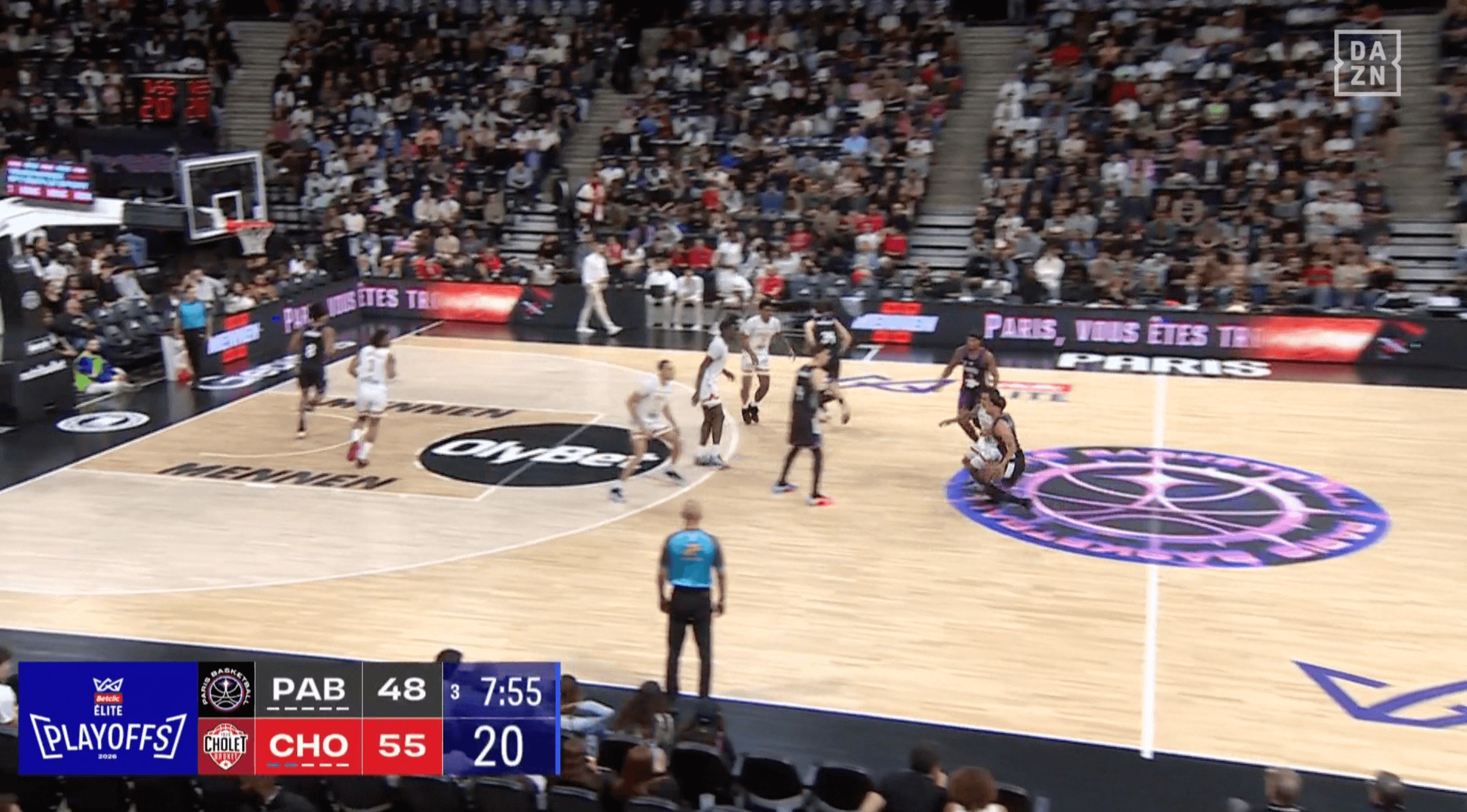
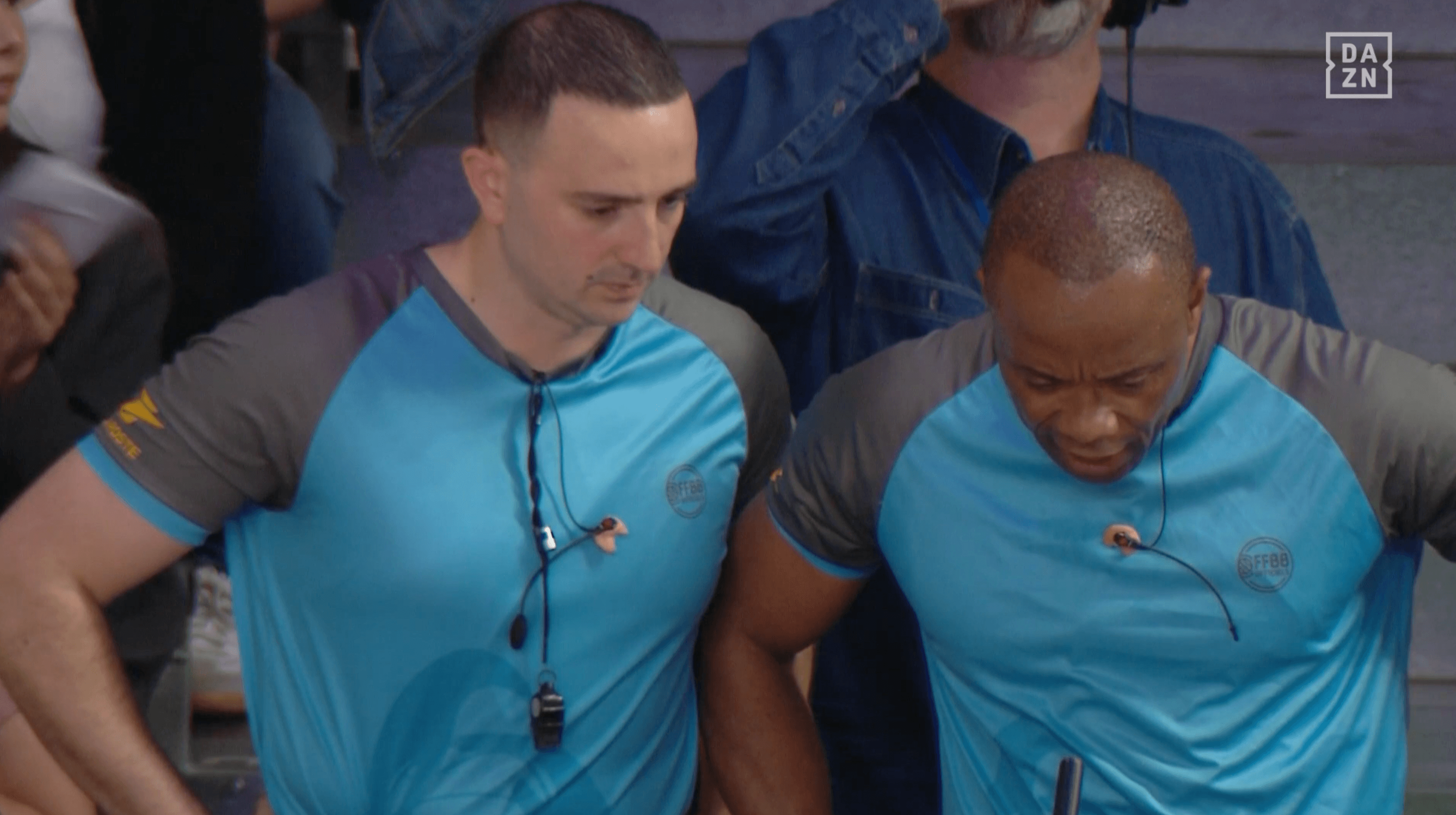
Les arbitres se retrouvent devant l'écran afin d'effectuer un arbitrage vidéo. Celui-ci consiste à vérifier la valeur du panier réussi par le n°2 de Paris, N. HIFI. Le panier a été accordé à 3 pts pendant le jeu.
Décision
Pour déterminer la valeur d’un tir réussi, les arbitres sont autorisés à utiliser la vidéo sur certains cas définis par la FIBA. Ici, l’objectif est de vérifier si une image permet d’établir clairement que le tireur avait un pied sur la ligne à trois points au moment de son tir.
Après examen des différents angles de caméra disponibles, aucune image ne permet d’apporter une preuve visuelle claire et concluante permettant d’infirmer la décision prise sur le terrain. En l’absence d’élément évident et irréfutable, la décision initiale doit être maintenue.
Les arbitres ont donc correctement appliqué le protocole IRS en conservant la valeur du tir telle qu’elle avait été attribuée sur le terrain.
Règlement
Appendix F : arbitrage vidéo.
Description
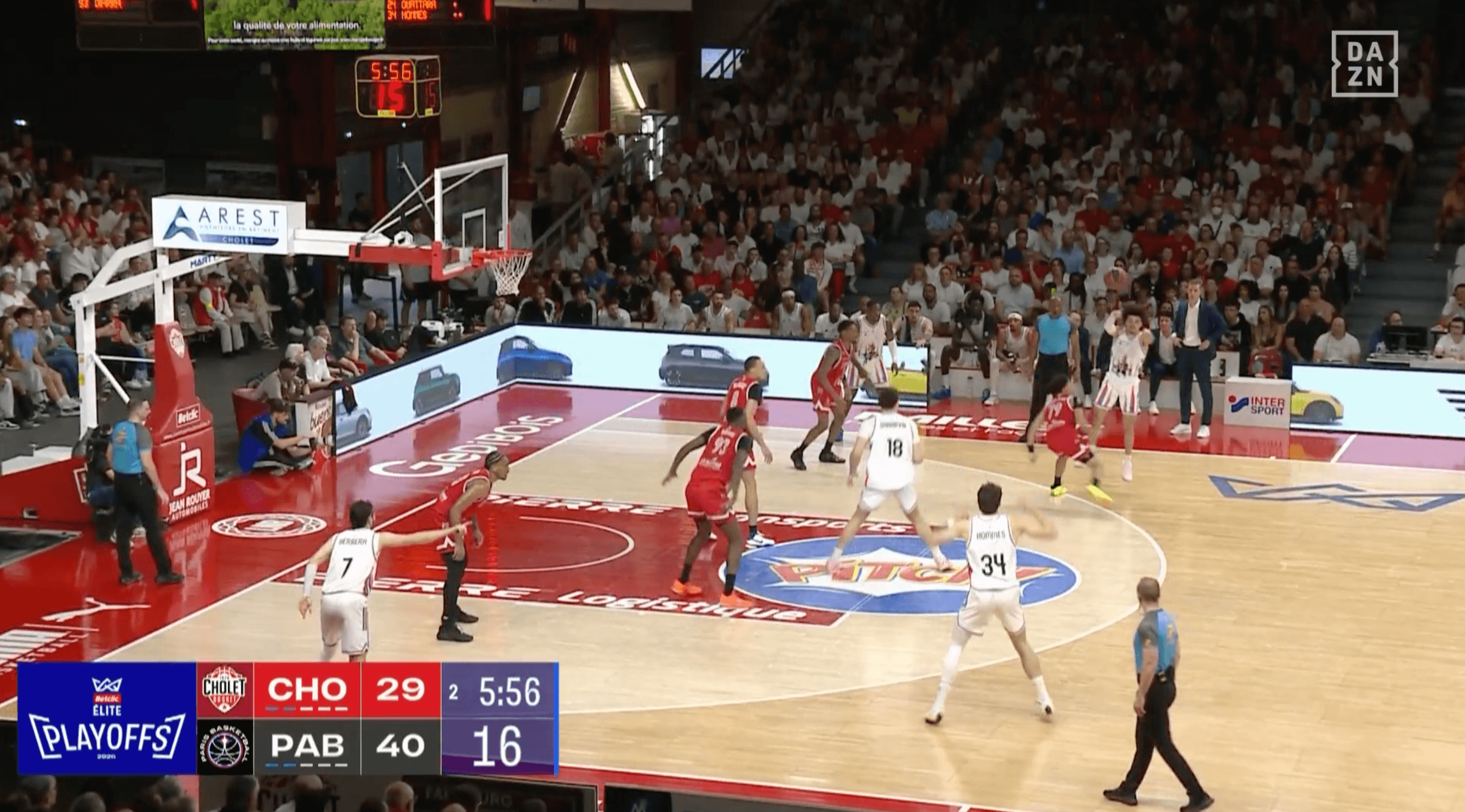
Le joueur n°34 de PARIS, HOLMES, fait une passe lobbée pour son coéquipier, E. SHARVIN qui attrape la balle en l'air à deux mains afin de tenter un dunk. Le défenseur, n°93 de Cholet, M. DIARRA saute et vient contrer la tentative de dunk.
Décision
Le défenseur défend légalement et tape le ballon. L'arbitre aurait dû laisser jouer et ne pas pénaliser le défenseur, qui a fait une action légale et n'a pas commis de contact nécessitant un coup de sifflet.
Règlement
Article 32 : Fautes
Description
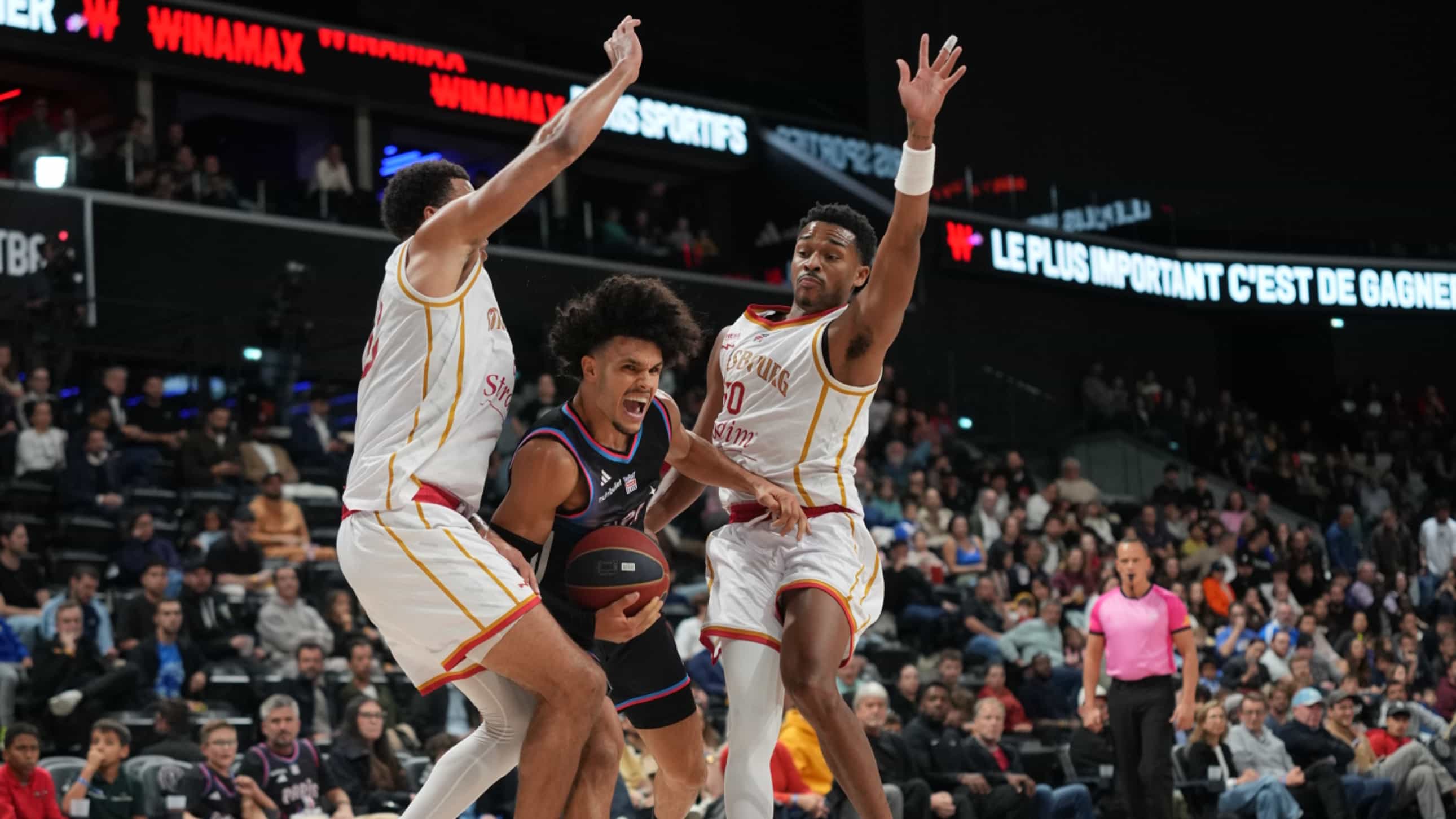
Le numéro 5 de Paris, J. ROBINSON est pris par 2 défenseurs, il attrape et tire le bras du joueur de Cholet J. McNeace. Le joueur de Paris aurait dû être sanctionné d'une faute offensive. Après la décision de l'arbitre de siffler la faute au joueur de Cholet, celui-ci veut lui expliquer l'action. Il en vient donc à mimer les faits et entre en contact physique avec l'arbitre. Il reçoit donc une faute technique.
Décision
L'arbitre aurait dû pénaliser l'attaquant d'une faute offensive et non le défenseur. Le joueur n'a pas le droit de toucher l'arbitre, même pour mimer une situation, sous peine de se voir sanctionner d'une faute technique justifiée.
Règlement
Article 32-33-34 : Fautes
Article 36 : Faute technique